

Zeh→igel
Vienna based ux-ui designer with a strong focus on design system governance.


With over ten years of experience, I bring structure and focus to complex problems. Great systems emerge when imperfections are examined closely and complexity is reduced to what truly matters.



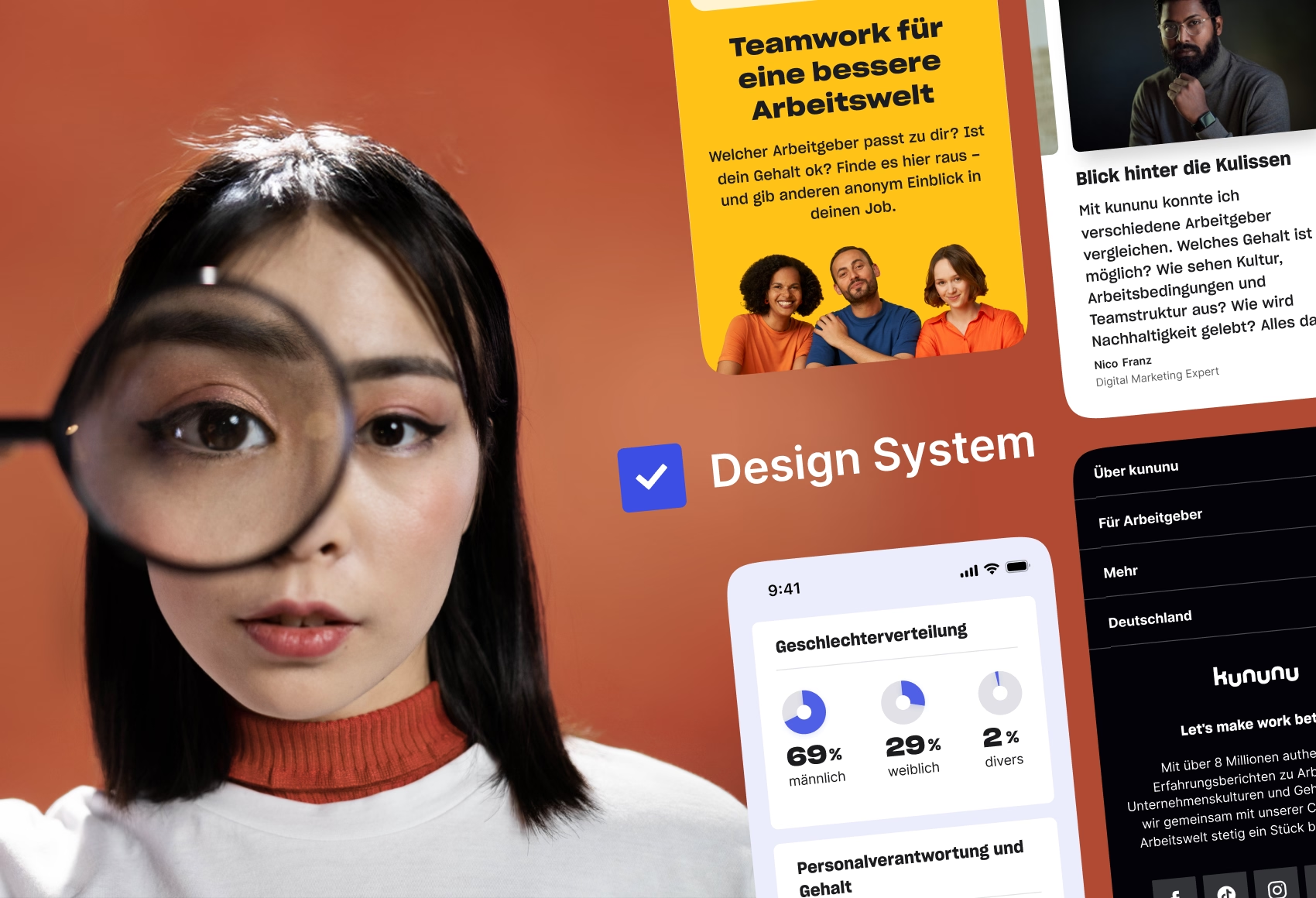


UX knowledge paired with technical design expertise to provide high end digital products based on a system approach.

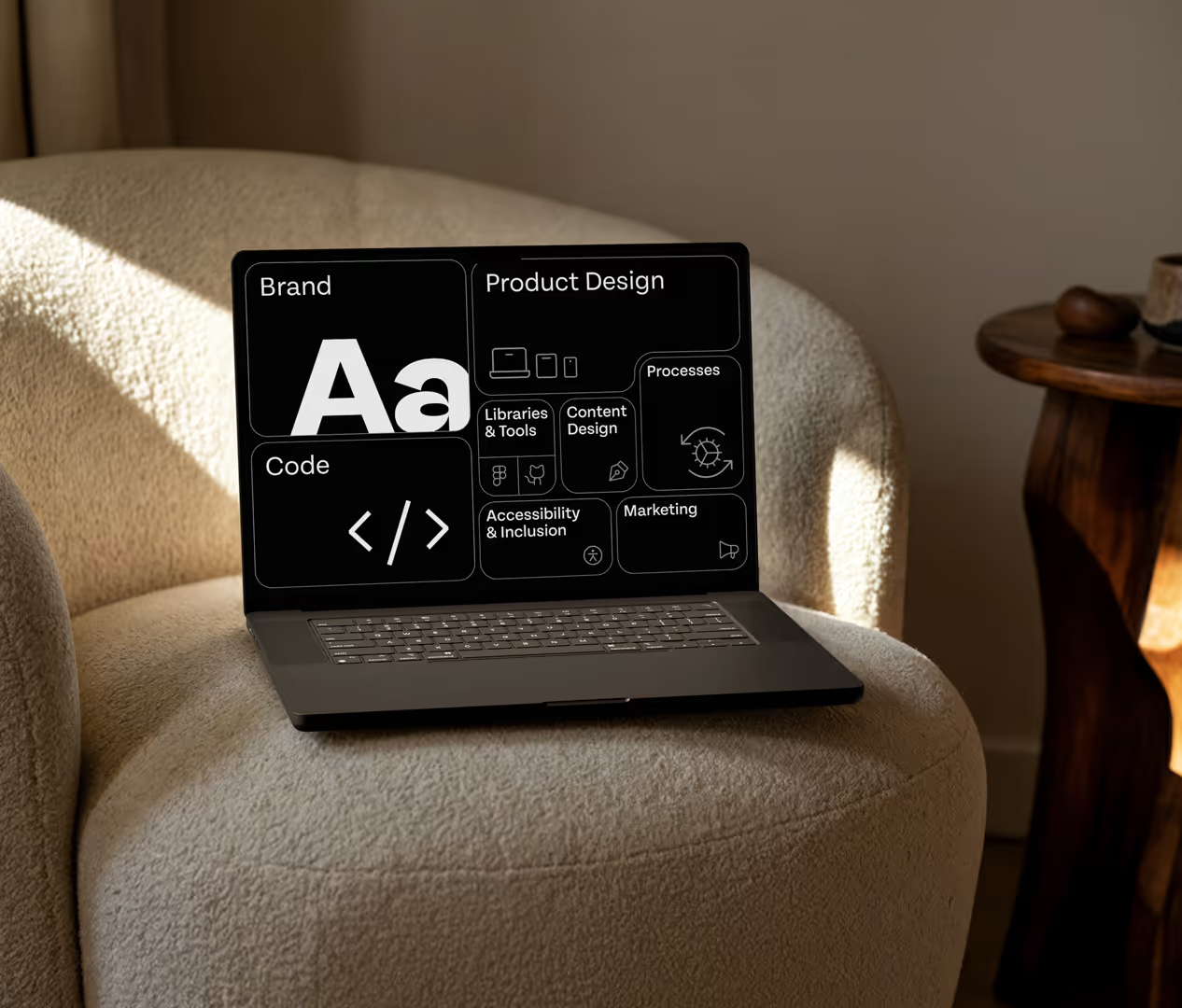
Specializing in design system governance, I offer guidance to help businesses scale sustainably in the digital realm. Drawing from recent insights and expertise, I prioritize solutions that address the core needs of the organization. By leveraging design systems, businesses experience higher velocity, improved collaboration between teams, and align on both design and tech, minimizing bugs and enhancing performance. Moreover, design systems foster trustworthiness by ensuring a cohesive look across all products, enabling a sharper focus on customer value and UX processes. From evangelizing the benefits of design systems to ensuring ongoing adaptation and optimization, I am committed to empowering organizations to realize the full potential of this transformative approach.
As a UX/UI designer with a strong focus on systems, I help businesses move beyond wireframes and requirements into thoughtful, efficient interfaces. While structure and user flows define what a product should do, the UI layer defines how it feels, how clearly it communicates, and how efficiently it works.
With careful attention to hierarchy, spacing, interaction patterns, and reusable components, I often help reduce unnecessary screens and simplify complexity instead of adding more to it.Every interface I design is built with scalability in mind. Rather than creating isolated layouts, I embed solutions into a sustainable system — using consistent components, clear documentation, and industry standards. The result is not just polished screens, but products that are easier to maintain, faster to extend, and aligned across design and development.

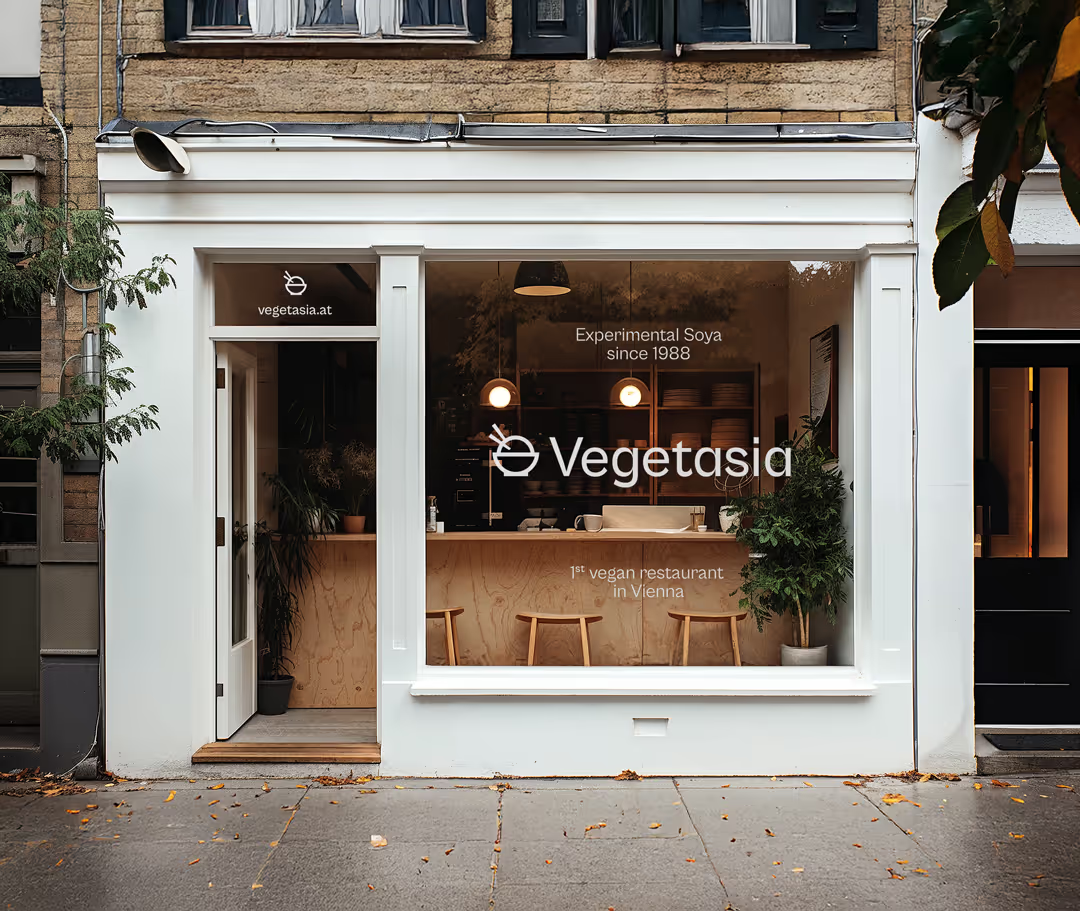
Branding isn’t just how something looks — it’s how an idea becomes clear, tangible, and memorable. Before shaping visuals, I take the time to understand where a business stands today and where it wants to go. Whether it’s a digital product, a physical good on a supermarket shelf, or a new initiative finding its voice, strong branding starts with clarity. It’s about defining a narrative that feels authentic and aligns with real goals.
Because I understand how products and systems work in practice, I design brand identities that are not only expressive, but applicable. Visual language, typography, color, and structure are developed with real-world usage in mind — across screens, packaging, platforms, and teams. When branding connects with usability and implementation, it becomes more than aesthetics. It becomes a system that supports recognition, trust, and long-term growth.



Accessibility, Sustainability & Inclusivity
About 16% of the world’s population have a disability that affects how they use the internet, yet many sites remain inaccessible. Inclusive design and sustainable digital practices improve access for all and reduce the online world’s environmental impact.
Roughly 1.3 billion people are affected by disability impacting web use.
The digital sector accounts for a measurable share of global emissions (~3.7 %). ICT contributes roughly 1.5 → 4% of global GHG emissions.


